If you've ever watched your water bill climb during the hottest weeks of summer while your garden still looked thirsty, you're not alone. Between rising utility costs, unpredictable rainfall, and the simple reality that water is a precious resource, more home gardeners are looking for smarter ways to keep their plants happy without draining the hose all day. The good news? You don't need fancy equipment or a total garden overhaul to make a real difference. That's where water-saving gardening hacks come in. With a few small changes to how, when, and where you water, you can cut your water use significantly while actually growing healthier, more resilient plants. Whether you're tending a backyard vegetable patch, a few raised beds, or a handful of pots on a balcony, these practical tips will help your garden thrive using less water than you think it needs. Why Water-Saving Gardening Matters Water isn't just a utility bill line item — it's a limited res...
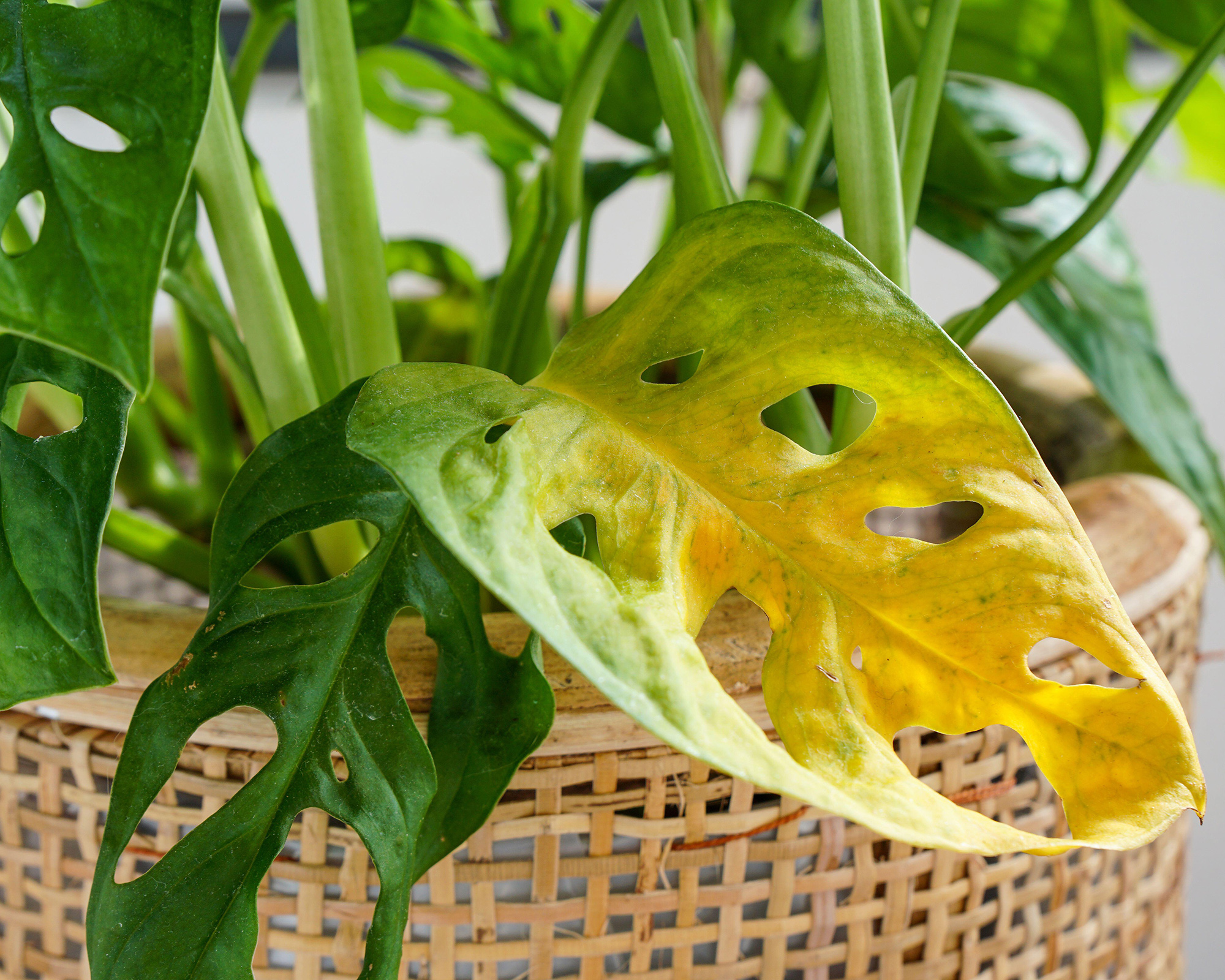
Indoor plants transform spaces — offering beauty, fresh air, and a dose of well-being. But even seasoned plant lovers can stumble into care pitfalls that stunt growth or harm their leafy companions. In this comprehensive, article, you'll discover the most common indoor plant care mistakes, why they happen, and exactly how to fix them so your plants thrive year-round.
Whether you’re a beginner or a green thumb looking to refine your skills, this article will help you grow healthy, vibrant plants — with actionable strategies backed by plant science and real experience.
Why Indoor Plant Care Matters
Indoor plants help filter air, reduce stress, and elevate your home’s aesthetic. But plants aren’t just décor — they’re living organisms with specific needs. Missteps in light, water, soil, or fertilization can lead to stunted growth, diseases, and even plant death.
This guide helps you avoid those pitfalls and learn the essentials of nurturing thriving indoor greenery.
Overwatering — The #1 Killer of Houseplants
What Happens When You Overwater
Overwatering suffocates roots by filling oxygen pockets in soil with water. Without oxygen, roots rot and can’t absorb nutrients — often causing:
Yellowing leaves
Drooping foliage
Brown mushy stems
Fungus gnats in soil
Why It Happens
Many plant parents water on a schedule (e.g., every Monday) or out of habit — instead of when the plant needs it.
How to Fix Overwatering
Check soil moisture by sticking your finger 1–2 inches into soil — water only when it feels dry.
Use pots with drainage holes and well-draining soil.
Choose airy mixes for species like succulents or orchids.
Allow excess water to drain completely — never let plants sit in standing water.
Insufficient or Excessive Light
Signs of Light Problems
Too little light:
Leggy, thin stems
Slow growth
Pale leaves
Too much light:
Scorched leaf spots
Bleached or white areas on leaves
Dry and crispy edges
Why This Happens
Different plants evolved in distinct environments — from bright tropical forests to shaded understories. A succulent’s need for sun differs from a fern’s preference for low light.
How to Fix Light Issues
Know your plant’s light preference:
High light: succulents, cacti, most herbs
Medium light: pothos, ZZ plant, snake plant
Low light: peace lily, snake plant (low light variants)
Place plants within appropriate distance of windows — avoid direct noon sun for shade lovers.
Use grow lights when natural sunlight is limited.
Improper Temperature & Humidity
Indoor Conditions That Stress Plants
Most tropical plants prefer:
Temperature: 65–75°F (18–24°C)
Humidity: 40–60%
Indoor heating or A/C can reduce humidity and stress plants, leading to:
Brown tips
Leaf curling
Shedding foliage
How to Fix It
Use a humidifier or pebble tray for humidity lovers (ferns, calatheas, monsteras).
Avoid placing plants near vents, heaters, or drafty windows.
Keep a room thermometer & hygrometer to monitor conditions.
Choosing the Wrong Soil
Why Soil Matters
Soil is more than dirt — it impacts:
Drainage
Aeration
Root health
Water retention
Generic garden soil compacts indoors, suffocates roots, and holds too much moisture.
How to Choose Better Soil
Use potting mixes specifically for indoor plants — usually lighter and more aerated.
For succulents & cacti, choose gritty, fast-draining mixes.
For orchids, consider chunky bark blends.
Ignoring Pot Drainage
The True Role of Drainage
Drainage holes:
Prevent waterlogging
Allow excess water to escape
Help roots absorb oxygen
Common Mistake
Using decorative pots without drainage without a liner or drainage solution.
Easy Fixes
Pot inside a drainage pot, then remove saucer water.
Drill holes in decorative pots (if ceramic/plastic).
Add a layer of pebbles or clay balls at the bottom — but this only helps if drainage holes exist.
Overfertilizing (Yes — Too Much Food Is Harmful!)
Why It Happens
Plants need nutrients, but fertilizer buildup can burn roots — leading to:
Brown leaf tips
Wilting
Leaf drop
How to Fix It
Fertilize during active growth seasons (usually spring/summer).
Reduce or stop in fall/winter.
Use fertilizer at half the recommended strength.
Flush soil occasionally with plain water to remove salt buildup.
Skipping Routine Cleaning
Dust + Indoor Plants = A Problem
Dust on leaves blocks light and can attract pests.
Sticky residues can also prevent transpiration — the plant’s own "breathing".
Simple Fix
Gently wipe leaves with a soft cloth or shower them lightly.
For small plants, dunk leaves in lukewarm water then drain.
Ignoring Pest Prevention
Common Indoor Plant Pests
Aphids
Spider mites
Scale
Fungus gnats
Signs of an Infestation
Webbing
Sticky residue
Tiny moving dots on soil or leaves
Preventive & Corrective Measures
Inspect new plants thoroughly before bringing them home.
Rinse plants occasionally to dislodge pests.
Use insecticidal soap or neem oil for infestations.
Repotting Mistakes
Too Soon or Too Late?
Waiting too long can:
Restrict root growth
Cause nutrient depletion
Repotting too soon can:
Shock the plant
Best Practices
Repot every 1–2 years (varies with species).
Choose a pot 1–2 inches larger in diameter than the old one.
Gently tease roots if they’re circling the pot.
Watering at the Wrong Time
When You Water Matters
Watering in the evening can leave soil wet overnight — encouraging disease.
Better Routine
Water early in the day so moisture evaporates and roots can breathe.
Adjust frequency based on plant type and season.
Not Adapting to Seasonal Changes
Why This Matters
Plants grow in cycles — and so do indoor conditions.
Winter:
Slower growth
Less light
Cooler temps
Summer:
Faster growth
More watering needed
What to Do
Water less in winter.
Increase light exposure when winter days are short.
Adjust fertilization with active growth.
Treating All Plants the Same
Each Plant Is Unique
A succulent doesn’t want the same care as a fern. Yet many plant owners use a “one-size-fits-all” routine.
Fix It
Learn the specific needs of each plant — from watering to light level.
Create care notes or label pots with guidance.
Using Tap Water Without Thinking
Why Tap Water Can Be Problematic
Some tap water contains:
Chlorine
Fluoride
Minerals that build up and affect sensitive species
Better Alternatives
Let tap water sit overnight to release chlorine.
Use filtered or distilled water for sensitive plants (e.g., calatheas, ferns).
Placing Plants in Drafty Spots
Problem Areas
Next to air conditioners
Near drafty windows
Close to heating vents
Resulting Stress
Leaves may droop, turn brown, or drop.
Better Placement
Keep plants in stable, moderate indoor climates away from major drafts.
Forgetting to Monitor Growth
Why Monitoring Matters
Plants adapt and change — and so should your care.
Signs to look for:
New leaves
Color changes
Stem elongation
Leaf drop
What to Do
Keep a plant journal.
Adjust care routines based on how your plant responds.
Quick Summary: Common Indoor Plant Care Mistakes
| Mistake | How to Fix It |
|---|---|
| Overwatering | Let soil dry, check moisture, drainage pots |
| Wrong light | Match plant to light, use grow lights |
| Bad soil | Use proper mixes for plant type |
| Lack of drainage | Always use pots with holes |
| Overfertilizing | Cut back, flush soil |
| Skipping cleaning | Wipe leaves routinely |
| Ignoring pests | Inspect, treat early |
| Wrong watering times | Water mornings |
| Seasonal neglect | Adjust to light & temp changes |
| One-size-fits-all care | Learn individual needs |
| Tap water issues | Use filtered water |
| Drafty placement | Choose stable temps |
Caring for indoor plants doesn’t need to be stressful. Most problems come down to a few core factors — light, water, soil, and attentive observation. With the right habits and tools, you can transform these common mistakes into opportunities for learning and growth.
Remember: plants don’t fail overnight — and neither do we. With patience and the guidance above, your indoor garden will flourish.
Comments
Post a Comment